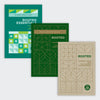




The 10-week Rooted experience is not a standard curriculum. It intentionally requires more time, more focus, and more effort than traditional studies. Because it does, it is both deeply rewarding and, at the same time, can be slightly overwhelming for a leader. The Rooted Facilitator Guide is the best tool to help a leader navigate that responsibility. It’s designed to provide the framework, tools, and insights necessary to manage the group and guide people through this transformational experience. Here’s how you can leverage this resource to maximize its impact.
1. Understand Your Role
Before you dive into the weekly outlines or start thinking about the questions you’ll ask the group, it’s important to understand and embrace your role. In Rooted, the leader is not a teacher or an expert theologian; you are a guide and facilitator.
The Facilitator Guide will help you understand that the Holy Spirit is the real leader in the group. Your primary responsibility is to create a safe space where people can express their thoughts, share their doubts and fears, and have an authentic encounter with God. To help you do that, the Facilitator Guide offers insights about group chemistry, the tone in which you should lead, and how to manage conversations so that every voice is heard and valued.
2. Lean Into the Weekly Checklists and Outlines
One of the most practical sections of the Rooted Facilitator Guide is the collection of weekly checklists and meeting time outlines. For a small group to feel safe, it needs structure, and the guide provides that structure by establishing guidelines for planning each meeting.
Before each weekly meeting, review the checklist to make sure you are personally prepared. The outline will break down your group time minute by minute, showing you how much time to devote to each section. By leaning into these tools, you can avoid the pitfall of poor time management and ensure you have planned and devoted enough space to each section.
3. Start the Conversation Well
The heart of the weekly group meeting is the conversation surrounding the five daily devotional readings that group members complete at home. The Rooted Facilitator Guide provides thought-provoking, conversation-starting questions specifically crafted to get the group talking from the outset.
Rather than asking closed questions that yield simple yes-or-no answers, use the guide’s open-ended prompts to help people share freely. These questions are structured to help your group connect biblical truth with their daily reality. Remember, your job is not to answer every question yourself, but to use the guide’s prompts to let group members reflect, share, and learn from one another.
4. Navigate the Experiences with Clarity
Rooted is built around the 7 Rhythms of Discipleship found in Acts 2, which include daily devotion, prayer, repentance, serving the community, sacrificial generosity, sharing your story, and worship. Further, Rooted emphasizes active and experiential learning. Groups don’t just learn about these rhythms; they actually do them together.
The facilitator guide provides explicit instructions, logistics, and debriefing strategies for the experiences embedded in the 10-week journey. Whether you are coordinating the multi-hour Prayer Experience in week three, walking through the Repentance Experience in week five, or organizing the half-day Serve Experience in week six or seven, the guide walks you through it.
Yes, the Rooted experience requires a lot, both from a group leader and a participant. But you aren’t alone in that journey. The Rooted Facilitator Guide is a simple and clear tool that can help any leader create an environment in which spiritual transformation can happen.