




A lot of pastors and church leaders are talking about “discipleship culture” today. We rightly want to create cultures of discipleship in our churches. This is good, of course! But this idea, this phrase, has become a bit of a buzzword. It’s something that is easy to put in a vision statement, like on a church website, but much harder to actually put into practice.
Simply put, a church with a discipleship culture is a church in which it is normal for church leaders to equip church members to help one another follow Jesus and tell others about Him. But what does it even look like for a church to have a “discipleship culture” in the day-to-day, week-by-week ministry of the local church in its community?
Church culture cannot be created solely from the stage during weekend services. Culture requires the active participation of the whole church community. Here are five common markers of a healthy local church discipleship culture:
1. People talk about their faith without prompting.
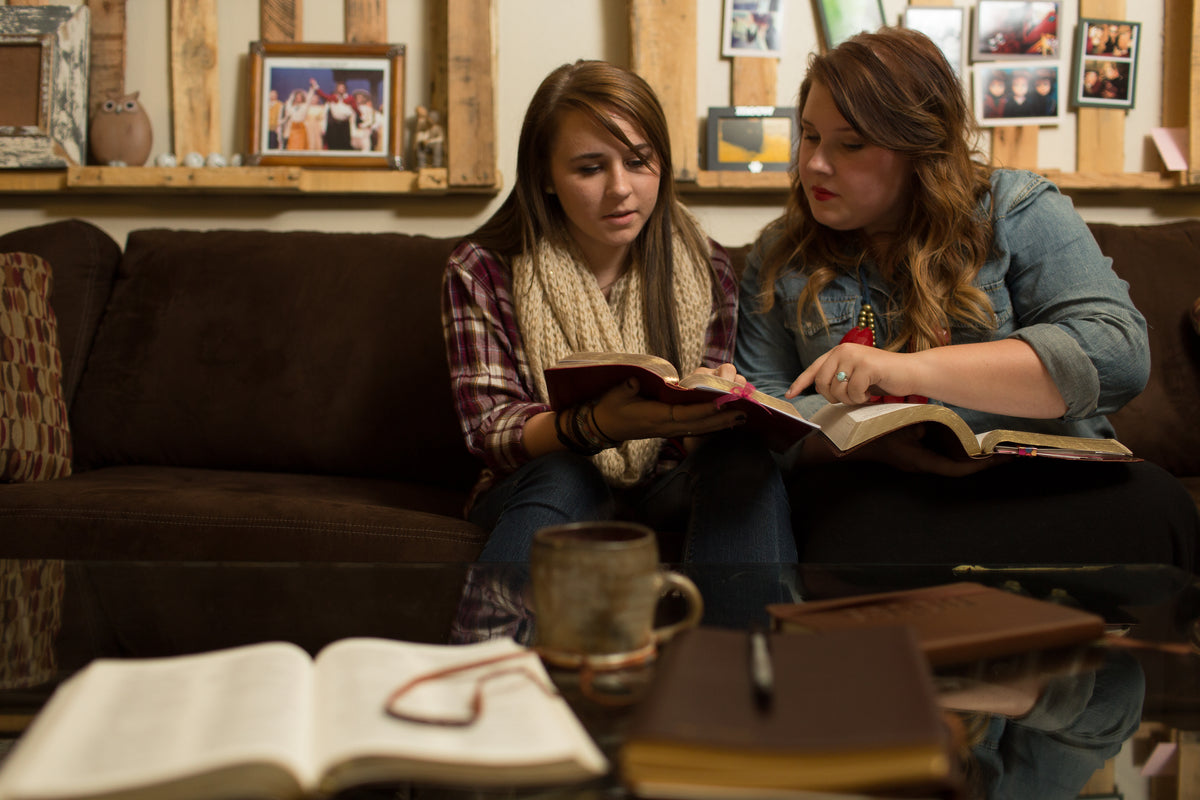
In a discipleship culture, conversations about faith are normal, not awkward. A church with a discipleship culture is a church whose people get together at local coffee shops to share thoughts on Scripture, or stop to pray for one another when they bump into each other at the grocery store.
In a church culture that relies solely on programming for discipleship, spiritual conversations are more commonly reserved for weekend services and midweek gatherings. The danger in this culture is that matters of faith are compartmentalized and kept from seeping into the real lives of people outside the church walls.
A church with a real discipleship culture sees church members living out the call of Hebrews 10:24 to “spur one another on to love and good deeds” in everyday living, not just at Bible study.
2. Church members disciple other church members.
Perhaps one of the most common misunderstandings in the local church is that ordinary church members go to church to be discipled by the pastors, who are the ones actually paid to do the work of discipleship.
This is wrong!
Paul writes in Ephesians 4:11-16:
And he himself gave some to be apostles, some prophets, some evangelists, some pastors and teachers, to equip the saints for the work of ministry, to build up the body of Christ, until we all reach unity in the faith and in the knowledge of God’s Son, growing into maturity with a stature measured by Christ’s fullness. Then we will no longer be little children, tossed by the waves and blown around by every wind of teaching, by human cunning with cleverness in the techniques of deceit. But speaking the truth in love, let us grow in every way into him who is the head — Christ. From him the whole body, fitted and knit together by every supporting ligament, promotes the growth of the body for building itself up in love by the proper working of each individual part.
Pastors and church leaders have been given to the church to equip the saints—that’s all Christians—for the work of ministry. Pastors and church leaders are not supposed to do all the disciple-making, but equip the people in their churches “to build up the body of Christ.”
A church with a discipleship culture gets this, and it shows when church staff are equipping church members to help other church members follow Jesus and tell others about Him.
3. Rhythms take precedence over events.
Any kind of culture, discipleship or otherwise, is built through repeated, sustainable practices, or rhythms of life. The kind of culture we create in our homes works this way. The kind of culture we create in our workplaces is built this way. The kind of culture we establish in our local churches comes about in this way.
Events create moments, which can be powerful and transformative. Rhythms create disciples who sustain the momentum of those moments for a lifetime of following Jesus. Some rhythms of discipleship include prayer, daily devotion, and worship.
If you canceled your next big church event, would discipleship still happen? How? In what ways is your church equipping people to maintain rhythms of discipleship amid the often-unpredictable rhythms of everyday life?
4. People regularly share stories of life change—in themselves and others.
In a discipleship culture, stories of transformation abound, and, ideally, they are shared regularly in a diversity of settings—not just reserved for baptism services. As many have said in different contexts over the years: you cultivate what you celebrate. When we celebrate stories of life change—whatever they look like—we till the soil for more life change to happen.
How long has it been since your church has received and shared a story of transformation outside of a video preceding a baptism? Do your small groups share stories of life change? What could it look like for your church to weave stories of life change into the regular rhythms of church life outside of the Sunday morning service?
Of course in order to share stories of life change with one another, we need to first actually experience life change, which may not be happening if the previous actions aren’t happening in our churches.
5. Leaders develop leaders.
Finally, we can’t forget the importance of leadership development in the local church—especially with regard to fostering a discipleship culture. Healthy cultures multiply leaders. Ground leaders raise up apprentices. Disciples make disciples. All leadership is interim leadership, and that is true for everyone from the senior pastor to the person checking kids into the children’s ministry on Sunday morning. In order to foster a flourishing culture of discipleship that sees and shares stories of transformation, leaders must develop more leaders.
Feel the Rhythm
A discipleship culture is created and sustained by Christians who embody Hebrews 10:24 and its author’s call to “spur one another on to love and good deeds.” A discipleship culture must be established and embodied by church leaders—staff or volunteers—but it cannot stop there. It must overflow down to anyone and everyone involved in the local church.
The hard work of establishing a discipleship culture does not happen overnight. It is built by incorporating rhythms and systems into the life of the local church that encourage people to make their faith their own and walk alongside others who want to follow Jesus more closely.